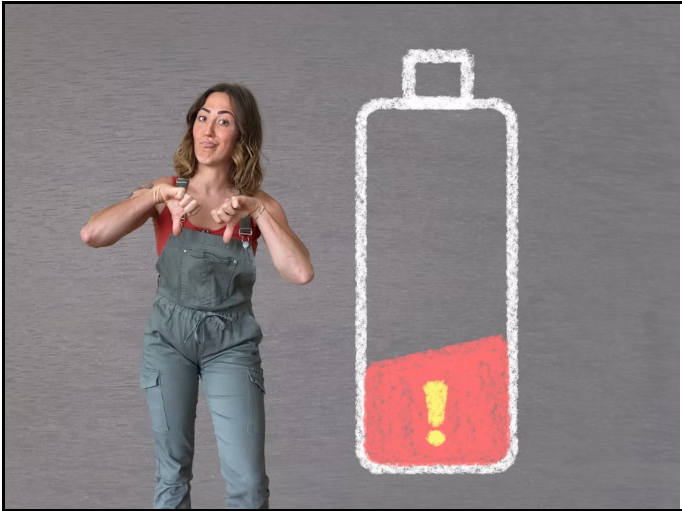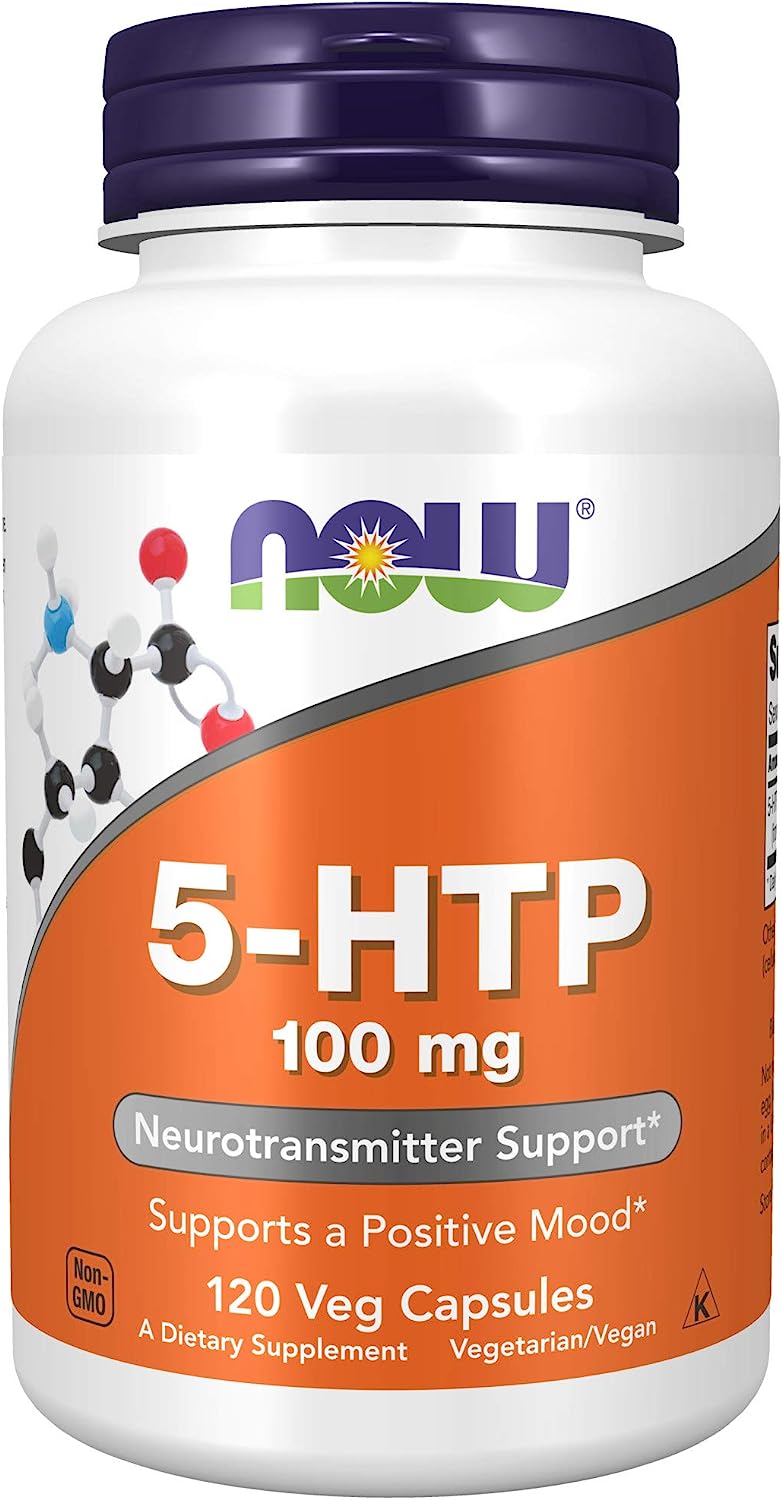









In today’s fast-paced world, anxiety and mental health issues are becoming increasingly common. While professional help is essential for managing mental health disorders, nutrition can play a supportive role in alleviating anxiety and improving mood. In this article, we’ll explore how certain nutrients and dietary choices can help stabilize your mood and reduce anxiety.
The Role of Nutrition in Mental Health
Nutritional therapy is not a substitute for professional mental health care, but it can complement other treatments. By focusing on nutrient-rich foods, staying hydrated, and avoiding foods that exacerbate anxiety, you can create a dietary foundation that supports emotional well-being.
Key Nutrients for Reducing Anxiety

Magnesium
Magnesium-rich foods can help you feel calmer and reduce anxiety. Include these foods in your diet:
- Leafy Greens: Kale, spinach, collards, Swiss chard
- Legumes: Black beans, edamame, kidney beans
- Nuts: Almonds, cashews, peanut butter
- Seeds: Pumpkin seeds, sesame seeds
- Whole Grains: Whole wheat bread, oatmeal, fortified breakfast cereals, brown rice
Zinc
Zinc is another nutrient linked to reduced anxiety levels. Incorporate these zinc-rich foods:
- Meat: Beef, pork, chicken
- Shellfish: Oysters, crab, lobster
- Legumes: Baked beans, chickpeas, kidney beans
- Nuts & Seeds: Pumpkin seeds, cashews, almonds
- Low-Fat Dairy: Yogurt, cheese, milk

Omega-3 Fatty Acids
Omega-3 fatty acids are known for their mood-boosting properties. Add these foods to your diet:
- Fatty Fish: Salmon, mackerel, herring, sardines, tuna
- Shellfish: Oysters
- Seeds: Flaxseeds, chia seeds, hemp seeds
- Nuts: Walnuts
- Other Foods: Tofu, navy beans, Brussels sprouts, canola oil, olive oil
B-Vitamins
B-vitamins can help release serotonin and dopamine, the “feel-good” hormones. Include these B-vitamin-rich foods:
- Whole Grains: Brown rice, barley
- Vegetables: Dark leafy greens, carrots
- Animal Foods: Salmon, beef, eggs, low-fat dairy
- Fruit: Oranges, bananas, avocado
- Other Foods: Sweet potatoes, nutritional yeast, enriched cereals, almonds

Foods to Avoid
While incorporating beneficial nutrients is important, it’s also crucial to reduce foods that may worsen anxiety:
- Highly Processed Foods: High in added sugars
- Fried Foods: Often high in unhealthy fats
- Alcohol: Can disrupt sleep and mood
- Excessive Caffeine: Found in energy drinks and some coffee
Lifestyle Tips for Reducing Anxiety
In addition to dietary changes, consider these lifestyle strategies to improve your mental health:
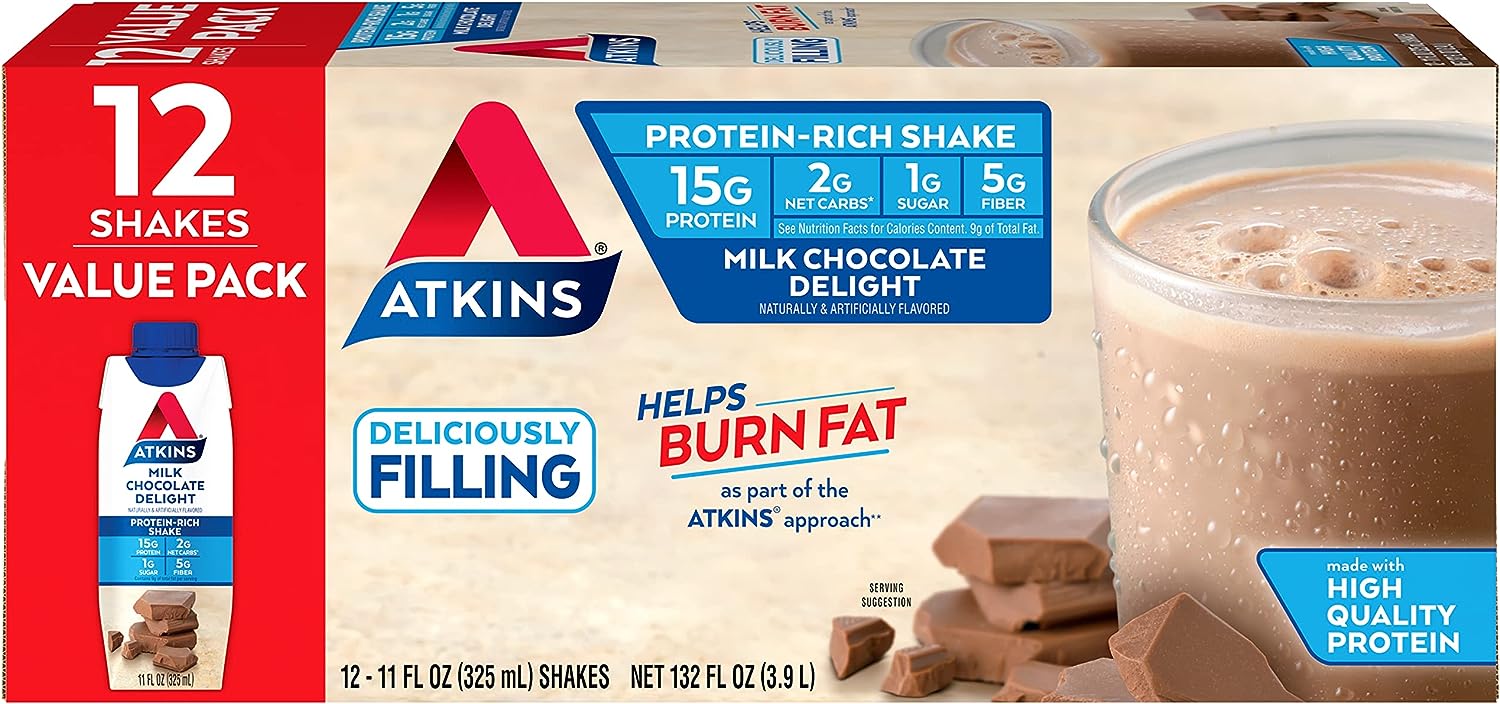
- Increase Physical Activity: Regular exercise can boost mood and reduce anxiety.
- Get Adequate Sleep: Aim for at least 7 hours of quality sleep per night.
- Practice Self-Care: Techniques like meditation and journaling can help manage stress.
Seeking Support
Remember, it’s okay to not be okay. If you’re struggling with anxiety or mental health issues, you’re not alone. Support is always available. Here are some resources:
- National Suicide Prevention Lifeline: 1-800-273-TALK (8255)
- The Trevor Project (LGBTQ): 1-866-488-7386
- Crisis Text Line: Text TALK to 741741
- National Eating Disorders Association: 1-800-931-2237
Nutrition can play a significant role in managing anxiety and improving mood. By incorporating nutrient-rich foods, avoiding anxiety-inducing foods, and adopting healthy lifestyle habits, you can create a supportive environment for your mental health. Remember, seeking professional help is always an important step in managing mental health conditions.